
Foundations of Safety and the Traumatized Human
This article is based on the fact that my own personal trauma’s amplified into catastrophe. Looking back, I would do things differently. Use adventure to heal rather than repeat trauma and amplify hazards. The characters presented while not autobiographical, are based on how I showed up to my work. . . All of them.

What personal foundations are we building our decision making on? Imperfect and unstable or imperfect and stabilized?
If I were to choose which mountain guide to hire for your climb of the Matterhorn, and I was privy to their backgrounds, which would I choose; The man who was beaten as a child and is still tortured by his past, has numerous triggers that result in an anger that clouds his perceptions, or the man that was beaten as a child and has worked through his trauma which gives him deeper insights and perceptions into the challenges you will likely face?
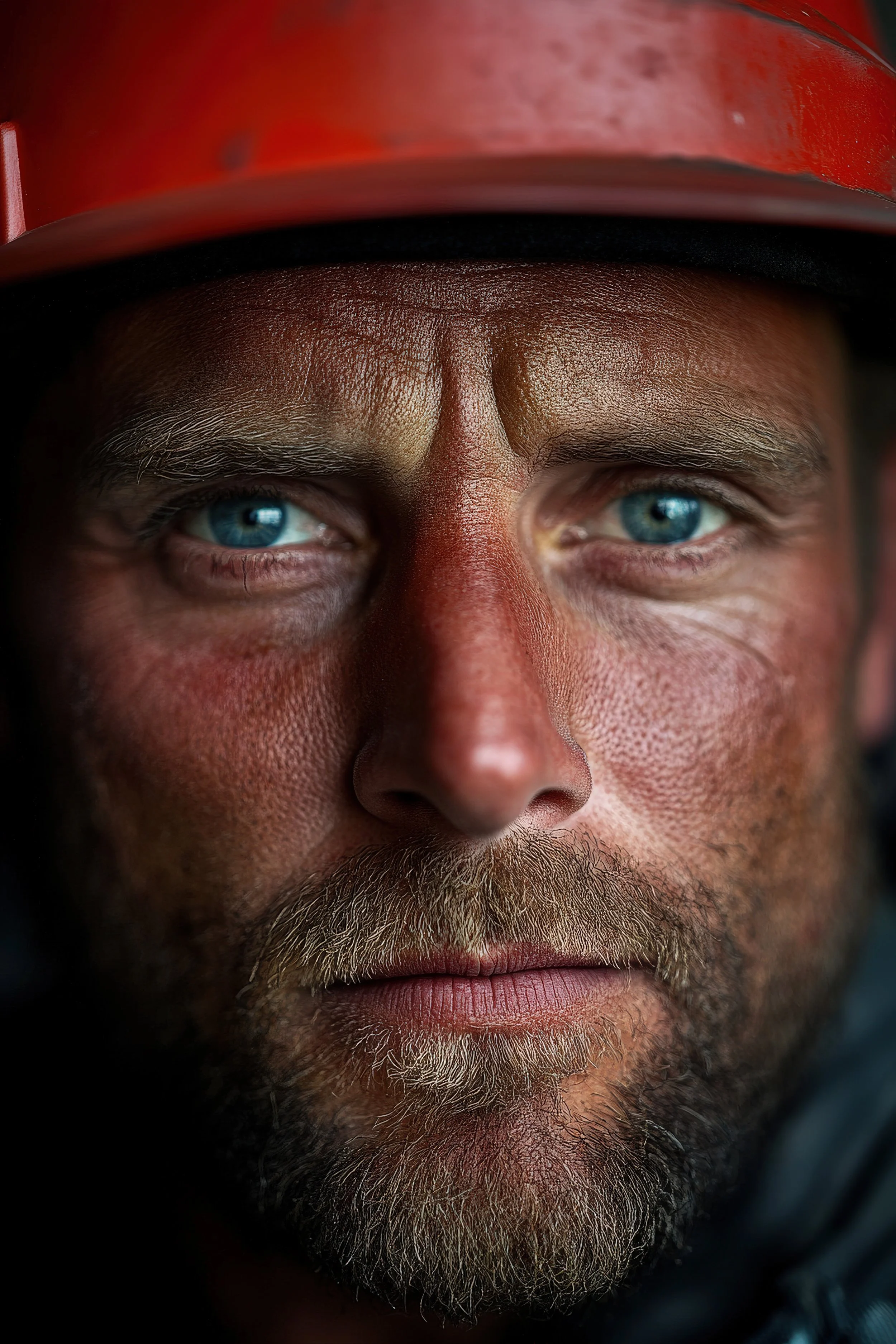
Our programming can affect our perceptions.
There is scant research on trauma and decision making. Yet, Halpern (2012) writes, “when traumatic life circumstances occur, people not only feel afraid and demoralized, but may develop catastrophic thinking and other beliefs that can lead to poor judgment.” Most of us understand this, and therefore we all know which man we would choose. This is because the answer is self-evident and is in the wheelhouse of most of our experience. It is not right to be judgmental, but it is right for us to manage the hazards we expose ourselves to. This is true of personal relationships as much as it is in deciding who to climb with, go into business with, or hire to do potentially consequential work.
In the workplace, we usually look the other way about people’s backgrounds. That is until there is a crisis. Trauma shows up in all kinds of ways at work. Often most obviously as an anger or a substance abuse issue. What we need to recognize is that this person’s perceptions can often be compromised. The traumatized individual can show up as a victim who is too afraid to speak up, or the opposite, the narcissist who is unable to hear corrective feedback. These are serious perception issues, which beg to be corrected across all kinds of industries. But the correction is best when it comes from within oneself, as always.
I write these words not because I wish to eradicate the traumatized individual from the workplace but rather the opposite. I write in order for us to recognize the hazard, how it shows up in the workplace, as a call to doing the personal work to harvest the wisdom contained in the traumas we have lived.

When we heal our past we can show up more fully.
I know this seems daunting. The words, “ increased workload” might pop into your head. But the thing to consider is that it takes a great deal of effort to show up in patterns that no longer serve us. We spend so much energy covering the tracks of our trauma that it takes away from the work we are really there to do. Our trauma is a hazard that needs to be healed so its negative effects are mitigated. This is an opportunity for us and for humanity.

Avoiding our trauma does not make it go away, it amplifies the hazards.
There is one more important thing to consider. If I would not expose myself to the hazards of another traumatized individual, why on earth would I expose myself to the hazards of my own trauma and impose those hazards on others?
Ken Wylie
www.archetypal.ca
ken@archetypal.ca