
Cougar-91 March 12-2009
Mindset and Risk Decision Making
The Facts
The manufacturer knew there had been at least one total MGB oil-loss events involving fractured studs. It knew galling was implicated.
The manufacturer had determined that titanium studs should ultimately be replaced by steel ones.
The manufacturer allowed continued operation with the titanium studs because maintenance inspection was expected to detect the developing hazard before failure.
Failure to identify galling could allow incorrect preload, fatigue failure of the studs, displacement of the filter bowl leading to uncontrolled loss of MGB oil leading to catastrophic gearbox failure and loss of control of the helicopter.
On Cougar 91, galling interfered with achieving the proper preload on the filter-bowl attachment studs. Reduced preload increased cyclic loading. Fatigue cracking developed in one stud and subsequently another. Two studs fractured during cruise flight, the filter bowl displaced and the MGB rapidly lost its oil.
Eleven minutes after the red MGB oil-pressure warning, lubrication loss produced catastrophic failure of the tail take-off pinion and loss of drive to the tail rotor shafts. Cougar also had responsibility in this chain.
AMM Revision 13 was mandatory, yet investigators found no record of the required 10× inspection or torque-wrench measurement on Cougar's S-92As, and the original nuts remained installed on the occurrence aircraft.
Indeed, after the accident, studs returned from across the S-92A fleet showed varying degrees of galling—including damage visible without magnification. The TSB concluded that most operators apparently had not implemented the enhanced procedure as intended and suggested that one reason may have been that operators did not clearly understand the underlying reasons for the procedure or appreciate that stud failure could cause uncontrolled total MGB oil loss and eventual gearbox failure.
On 23 March 2009, the FAA issued Emergency AD
2009-07-53 or Sikorsky S-92A helicopters, which required, before further flight, removing all titanium studs that attach the MGB filter bowl assembly to the MGB and replacing them with steel studs.
Sikorsky did not receive any reports of damaged studs. However, it did receive 59 studs from various operators after they had complied with the AD. Sikorsky examined these studs and found that they had varying degrees of galling of the threads.
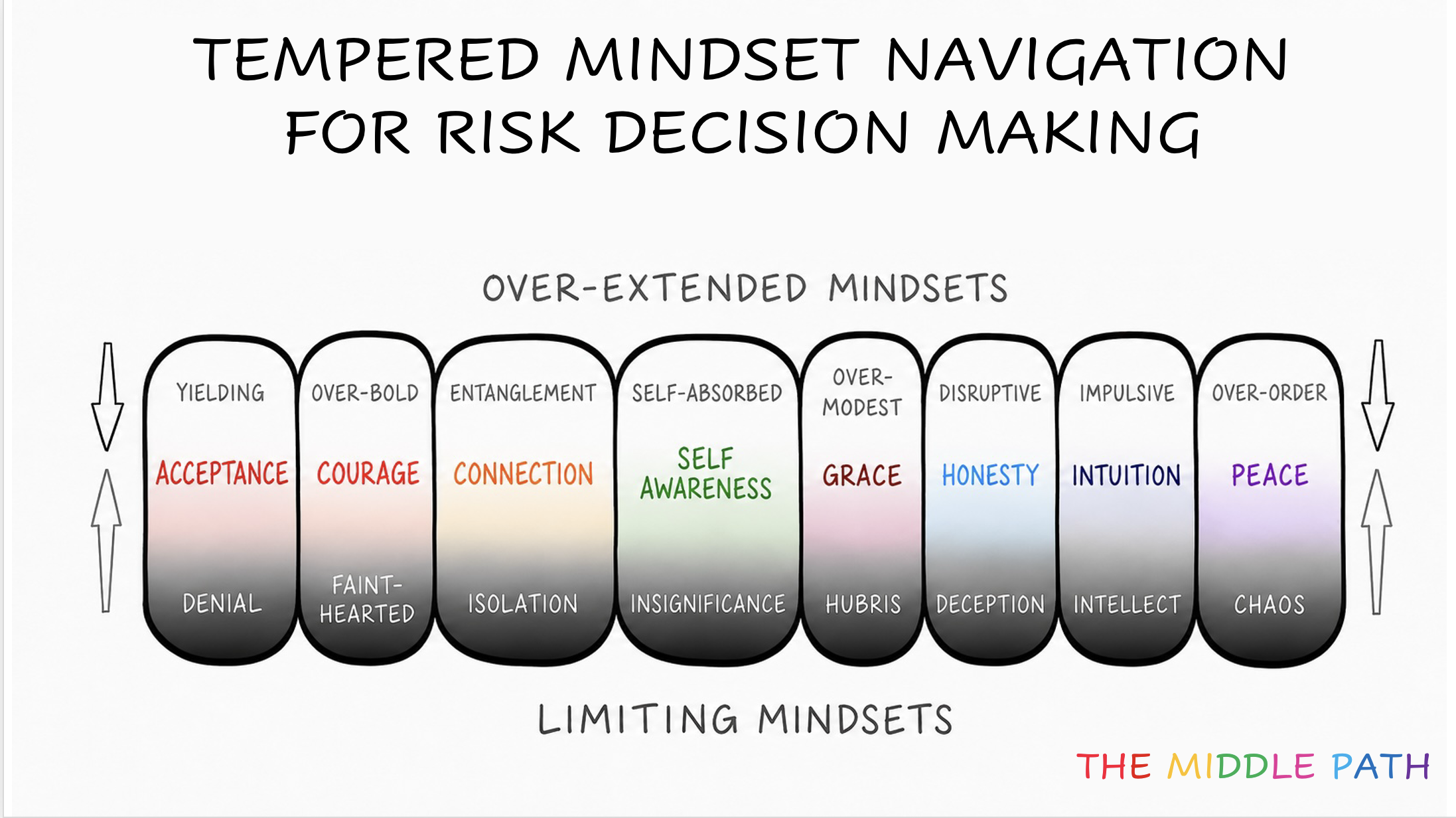
Acceptance
Denial / Yielding
Acceptance is the ability to honour reality as it is without attempting to bend it in any way. It is the uncompromising ability to recognize ourselves, others, and situations exactly for what they are at the moment and using the big picture to inform action. Denial of ourselves, others and the demands of the situation can present a profound hazards. Yielding is when we go along with a substandard practice.
Once the Australian event demonstrated that two studs could fail and permit total MGB oil loss the manufacturer had an important opportunity. Think of times when you or your operation had something difficult but important to communicate and discuss and denied yourselves the opportunity.
AMM Revision 13. What responsibilities do maintenance teams have for being aware of and carrying out recommended processes but also in accurately interpreting their severity? Can there sometimes be an embedded denial of responsibility in maintenance systems?
Think of times when manufacturers and maintenance teams yielded too easily to the pressures of operational demands, leading to substandard practices?
Courage
Fainthearted / Over-Bold
Courage is the sweet spot between fainthearted and overbold. Both fainthearted and being over bold can be hazardous. There are many kinds of fainthearted, courage and overboldness. Physical, intellectual, social, emotional and intuitive are all important when it comes for taking effective action.
• When does confidence in interim controls become over-bold?
• Think of times where faintheartedness made it impossible to speak or take action related to the facts about our aircraft, and the systems used to maintain them?
• How often are we too fainthearted to internalize and act on the vulnerabilities of ourselves and our systems?
• Think of examples when there were overbold calls related to the condition of the aircraft?
Connection
Isolation / Entanglement
Connection requires that we allow ourselves to communicate in ways that identify vulnerabilities. Vulnerabilities are information that allow us to truly know a person, an operation and an aircraft. Denial and a lack of courage are often barriers to true connection because they are both needed to communicate vulnerabilities which can lead to isolation. Entanglement means we are too woven into the social or technical fabric to communicate vulnerabilities.
How often is aircraft engineering knowledge isolated from the field engineer. . . working on the aircraft?
Does entanglement with an unhealthy culture impede communication about operational realities?
Self-Awareness
Insignificant / Self Absorbed
Self-Awareness is a true understanding of our gifts and shortcomings and our responsibility to receive information and act on it. We can render these gifts and shortcomings insignificant which can be a hazard. We can also become completely self absorbed which distracts from operational effectiveness and can lead to a lack of situational awareness
How do we render our natural abilities insignificant?
Receptivity. . . is listening sometimes rendered insignificant?
Can our ability to act become insignificant?
How do we miss our own shots over our bow? How can a near miss in Australia so easily interpreted as having nothing to do with the aircraft we are maintaining and operating in our home country?
How might previous success with equipment blind new requirements?
Grace
Hubris / Humble Over-Giving
Grace is the mid-point between hubris and humble over giving. Hubris is the impulse to action. The Wright Brothers were hubristic. But they were also humble and built in protections for when they inevitably made mistakes.
What happens when a sophisticated organization has enough humility to ask whether its own risk assessment could be wrong?
What happens when a mechanic recognizes that their systems could be wrong?
Honesty
Deception / Disruptive Honesty
Honesty is a process of being able to communicate without deception that could harm. Deception is not bad when it allows the persons embedded in the situation to function as effectively as possible.
How can the desire to not scare people, lead to deception?
What is our responsibility to be honest about what is happening with ourselves, our aircraft and our operation?
Is a crash a form of disruptive honesty?
Intuition
Intellectualizing / Impulse
Intuition is a knowing- coming from the ability sense the entire situation and using that information to inform our choices. Intellectualizing means that we are making up a story that ultimately is attempting to avoid pain. Impulse is desire masquerading as insight.
What role could working to understand the big picture of a situation play in making informed choice?
How can we “see” more clearly by being able to recognize when we are intellectualizing. . .or stories people tell consciously or unconsciously?
How do we mitigate our impulsive desires by being guided by the feeling of a bigger picture?
Peace
Chaos / Over-Order
Peace is not about having peaceful surroundings. It is the ability to live within stress filled situations and thrive internally. Chaos arrives as soft chaos first. A situation that seems difficult to manage and tipping toward a loss of control. It is important to manage soft chaos before it becomes hard chaos (fatal). Over-Order is a rigid situation that does not flex well enough to take the appropriate novel action.
How do we create disciplined maintenance systems in which a seemingly tiny detail—a damaged thread on one stud—is given attention proportional to its potential consequence?
How can we be at peace with small bad news to mitigate big bad news?
How can we be flexible, just enough to manage novel situations?