
The Dangers of a Left-Brained “Why?”
Our personal reasons for engaging in risk-filled work or recreation are often far too simple.
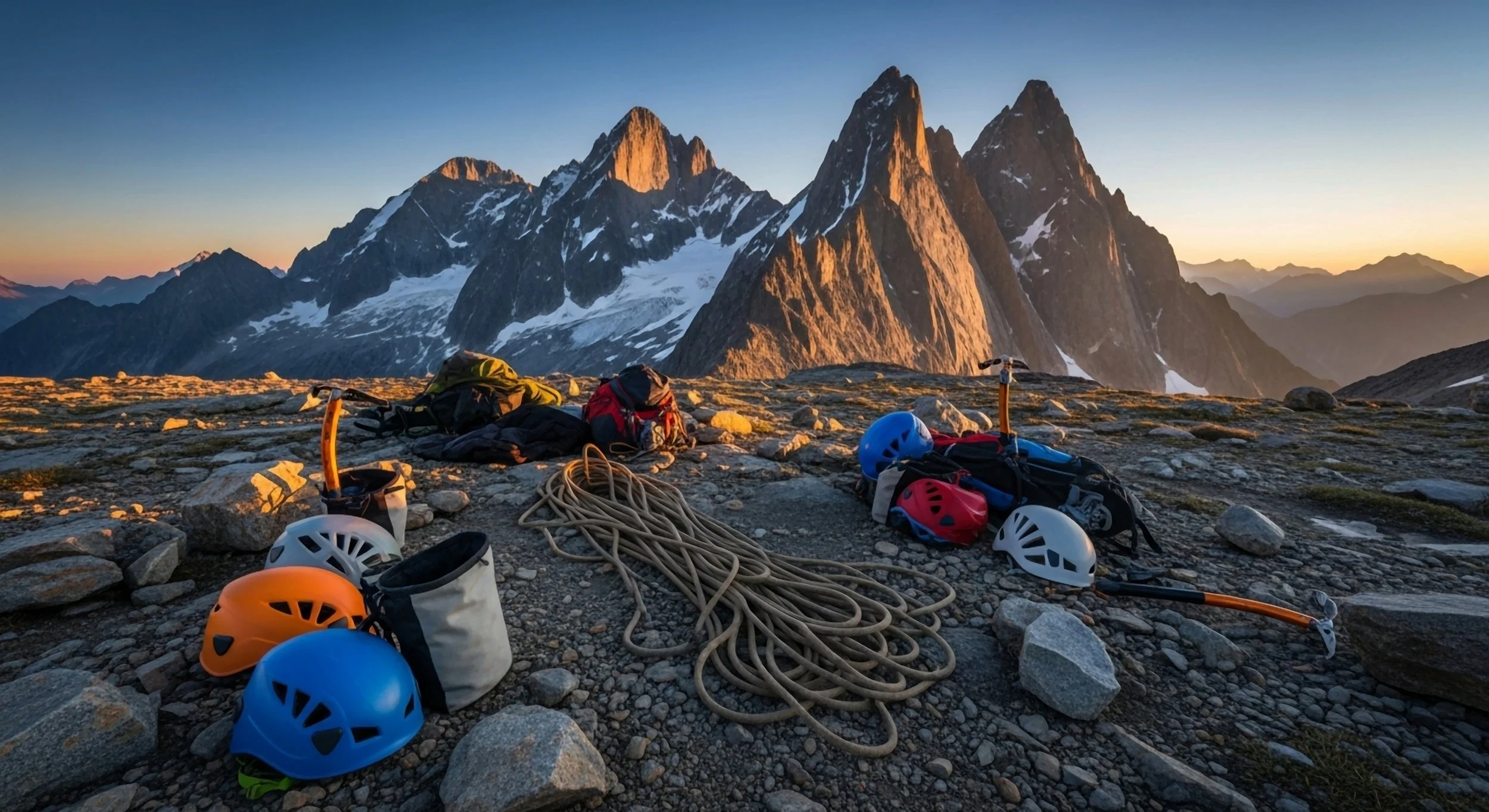
The tools are rarely the thing.
For more than a decade I would travel to a regional post-secondary institution that trains students to be adventure guides, to speak to the participants of the program. The aim, to educate individuals who lead others in profoundly hazardous environments. Each year I asked the students this question; “Why are you interested in guiding people in dangerous places?” The answers typically ranged from, “it’s fun, and It’s cool,” to “I get to be outside.” To my ear, I was not hearing solid reasons that included the realities and potential realities of the work. My experience with these students applies beyond the adventure community and has importance in many industries that operate in what I call H.P.C. (High Potential Consequence) environments.

When things are good, we rarely need a resilient reason for doing them.
Among adventure guides the suicide rate is very high after a tragic incident. I understand this. A simplistic answer for “why” has little utility in something as painful and complex as a catastrophe. The question of “why” did not seem all that important to me as a young practitioner. I bristled when my professors assigned a personal philosophical statement. I was more interested in the doing, rather than why I was doing it. When I experienced the searing pain of consequence, the question “why?”, was suddenly the most important thing for me to answer. At that point, it was nearly too much.
We know that the brain has two hemispheres. According to Iain McGilchrist, the right hemisphere generally has a global perspective that sees the deep connections to all things. The left hemisphere generally parcels knowledge out into pieces that tend to be disconnected from the whole, but the process allows us to take focused action. When we answer the question of why we are doing something with our left brain, the answer will not addresses the whole. This is what I experienced myself and with the adventure students. A left-brained answer to a really big question, rarely serves.
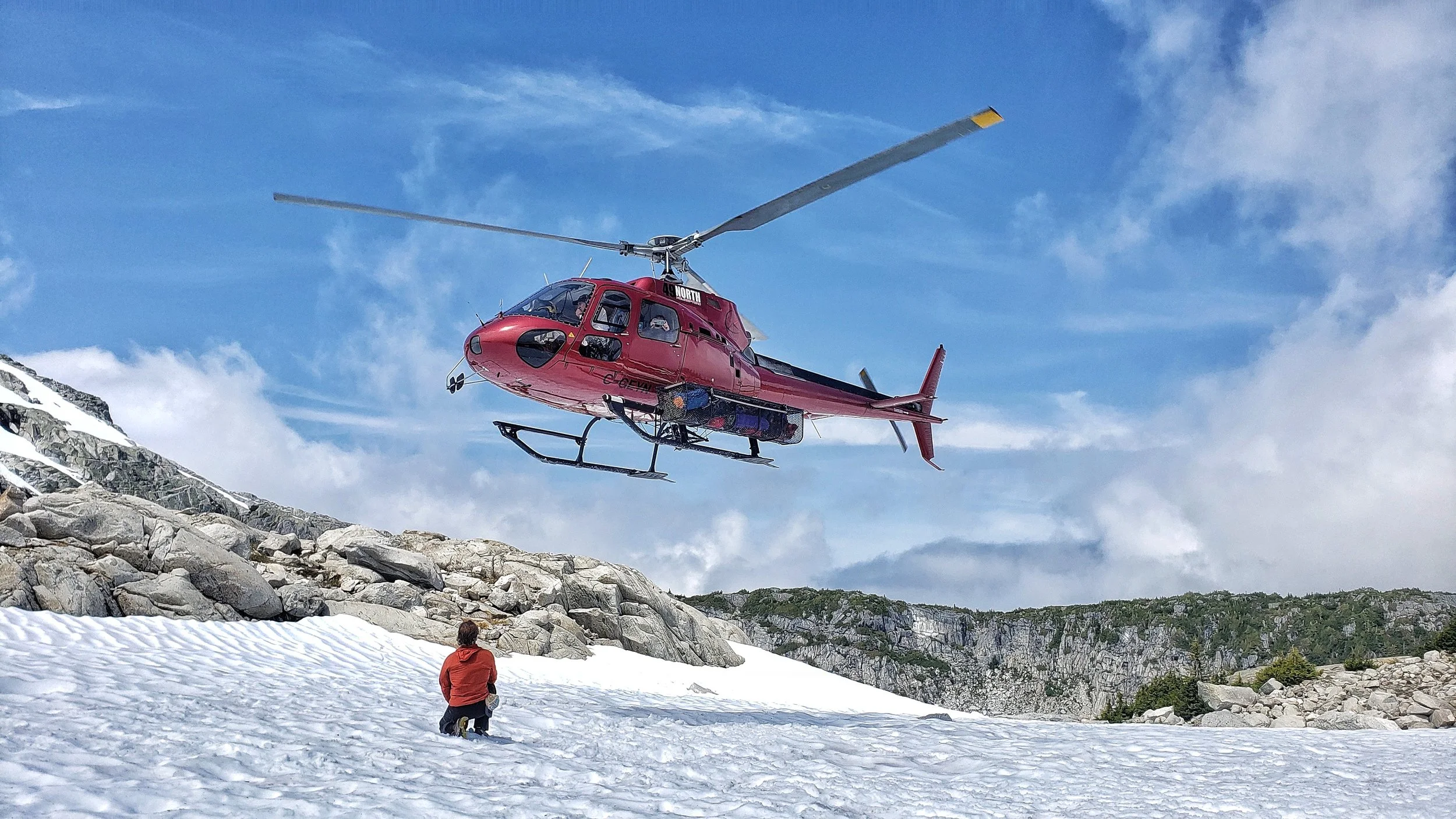
Emergencies and near miss events are a window to the need for more global reasons for our exposure.
When we live through a tragedy, there is suddenly a flood of connections. The question of “why?” has a penetrating importance. We can see how the event we have just experienced has nearly infinite impacts. Millions of synapses fire in ways that connect us to the profound implications. This is very difficult to experience and is a hazard in-and-of itself. Sadly, tragedy is too much for some and we look for a left-brained answer to quantify a highly complex situation again, perhaps to ease our pain: “It was the “O” rings,” “The ship struck an iceberg,” “The Indonesian pilots are to blame,” or far worse, “My life needs to end.”
Having a good reason why we do what we do, that is crafted from the global right brain, might be one of the primary risk management tools in our arsenal; it may, in fact, prevent us from experiencing profound consequence. To see the big picture will always help us make elevated choices. I forgot the assignment from my professors, then I remembered something important from someone who did the assignment well. In forgetting, I experienced tragedy. In the remembering, my life has been saved, over and over again.

The beauty of an activity often seems like enough. It’s not.
In a society that is crafted by left-brain processes which require hard evidence, it is challenging to have a more universal and philosophical approach to our passions. But when we do, we are guided by something bigger than ourselves. We are guided by a resilient reason that has profound utility. My “why” is and will always be, “to learn, no matter what happens.” The lessons I capture build out to others helping create a more resilient community. Learning has stout utility, and it knows no bounds. It is hard to quantify.