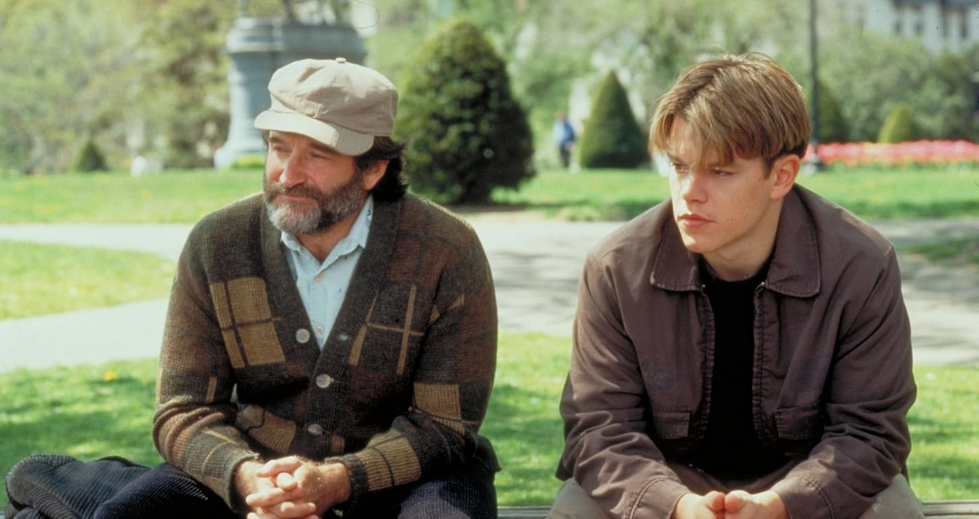
Good Will Hunting
What this story can teach us about Safety.
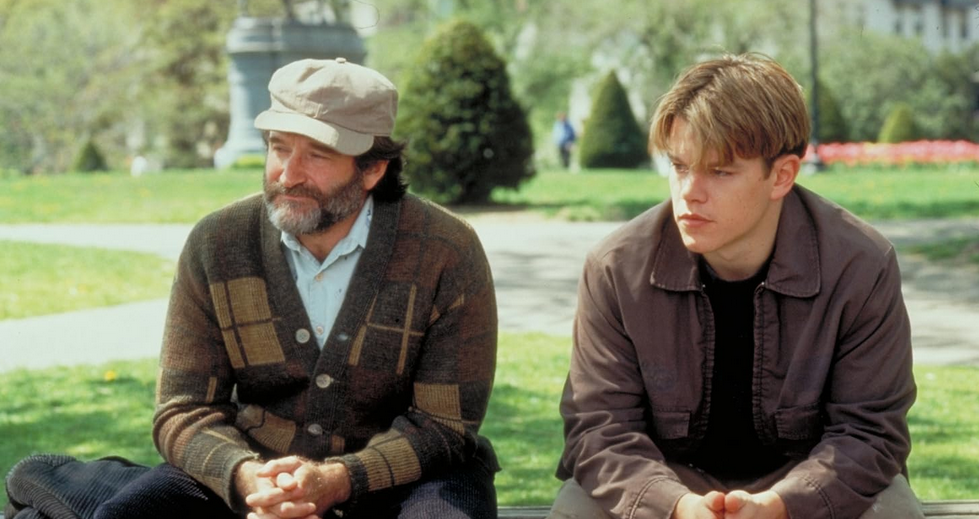
The main character of the film Good Will Hunting, Will embarks upon an archetypical journey through denial toward greater acceptance of himself, his experience, others and the situation in order to find himself whole. Here I make the case that Will’s internal journey directly relates to safety. While this film has many hazards that have been written about, with respect to industry standards in counselling that are valid. Suffice it to say that they too are a product of a process of denial. Denial of others, and the hard won lessons they have documented in the professional practice of counselling.
The hazards of Denial, and the benefits of nurturing greater Acceptance.
1. DENIAL OF SELF → The Individual who pretends they’re fine
Will plays a role where he is okay. He denies his own; emotional pain, social limitations, emotional realities, and need of support. His state is common in our society. So much so that if it were not pointed out, it would be hard to see it as not serving him.
In industrial safety, this shows up as; workers hiding fatigue, stress, or near misses, “soldier-on” culture, reluctance to admit lack of competence, fear of looking weak, pushing through adversity or pain until an injury occurs. The awareness of the process of denial of self helps us see this behavour clearly and endevour to change it.
Parallel: Just like Will denies confronting his trauma, workers often deny risks arising from their physical or emotional state.
Safety lesson: A culture that promotes self-acceptance results in greater self-honesty and psychological safety and encourages individuals to; admit when they're tired, ask for help, confess uncertainty and to stop when things feel wrong.
Without this, denial-of-self becomes an accident precursor.

2. DENIAL OF OTHERS → The Breakdown of Team Communication
Will denies others by; cultivating a practice of pushing people away, not trusting other people’s perceptions and intentions and he consistently undermines the vulnerability required for connection.
In safety this is the individual who does not trust their colleagues or supervisors, supervisors that dismiss individual worker concerns, teams that withhold information and contractors and crews who are not willing to share risk awareness.
Parallel: When people deny the competence, care, or intention of others, communication breaks down—and risk increases.
Safety lesson: Strong safety culture requires relational trust, where; coworkers care and look out for each other, leaders are approachable because they are willing to listen, questions and challenges are welcomed, and people feel safe to speak up. “Crew resource management” depends on overcoming the exact interpersonal denial Will expresses.
3. DENIAL OF THE SITUATION → Normalization of Deviance
Will denies the reality of his own situation by looking away from his legal trouble, failing to see long-term consequences of his behaviour and through his willingness to damage relationships.
In workplace settings this ladders onto ignoring emerging hazards, assuming "we’ve always done it this way”, minimizing near misses, downplaying the facts of safety reports, and easily tolerating safety shortcuts. This is the classic example of Diane Vaughan’s normalization of deviance where there is a slow drift from safe practices toward more hazardous norms.
Parallel: Will avoids seeing the truth until he is forced to. Organizations often do the same. Sometimes not until there is a severe near-miss or tragedy.
Safety lesson: A mature safety system accepts and promotes situational awareness, clear reporting, and brutally honest hazard assessment. The willingness to see and accept things as they are, allows us to act accordingly and reduces incidents dramatically.
4. DENIAL OF THE ENVIRONMENT → Misreading the Work Context
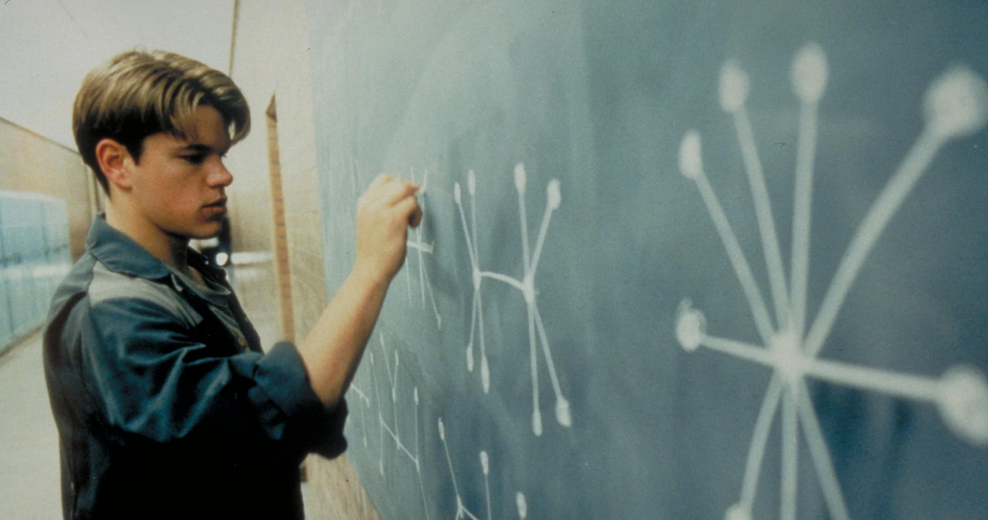
Will rejects the world as unpredictable and unsafe. He assumes that the environment is predictably fixed as hostile, not trustworthy and that the future is doomed.
In the workplace this resembles: blaming the situation and ignoring our ability to track dynamic and changing conditions. It can also mean failing to trust that one is generally supported. And relying on outdated perceptions that lead to assumptions;.
Parallel: Both Will and unsafe workplaces resist acknowledging that environments evolve and require adaptive responses.
Safety lesson: Organizations must learn to constantly manage situations by being sensitive to changing conditions and to reassess, accept and adapt to uncertainty. This is the core of operational resilience.
5. THE BREAKTHROUGH: “It’s Not Your Fault” → Just Culture & Blame-Free Reporting
Will only begins healing when Sean creates a non-judgmental, compassionate space.
In safety, this mirrors; Just Culture, Blame-free reporting, Open-door policies, and Human-centered investigations. When workers feel safe to report errors, understood rather than blamed, supported rather than punished, they begin to heal the safety culture the way Will heals psychologically.
6. INTEGRATION → The Mature Safety Culture
Will’s integration involves; acknowledging trauma, accepting support, trusting relationships, choosing growth and facing reality.
In the workplace, a fully integrated safety culture means that individuals accept personal responsibility and rely on team support. Leaders accept that systems built by a collection of individuals have flaws that result in incidents. The call is for communication to flow freely, so that hazards are shared and are not seen as personal failings.
Parallel:
The same maturity Will achieves is what a high-reliability organization seeks.
THE BIG TAKEAWAY
Good Will Hunting mirrors the arc of an organization moving from: denial (blaming, hiding, minimizing), fragmentation (poor communication, unsafe norms), breakdown (incidents that force reflection) integration (trust, open reporting, learning), and finally to acceptance (safety as shared responsibility).
Good Will Hunting can be used as a modern allegory for transforming safety culture.