
October 1962. . . Millimetres from Total Annihilation. Mindset was Everything
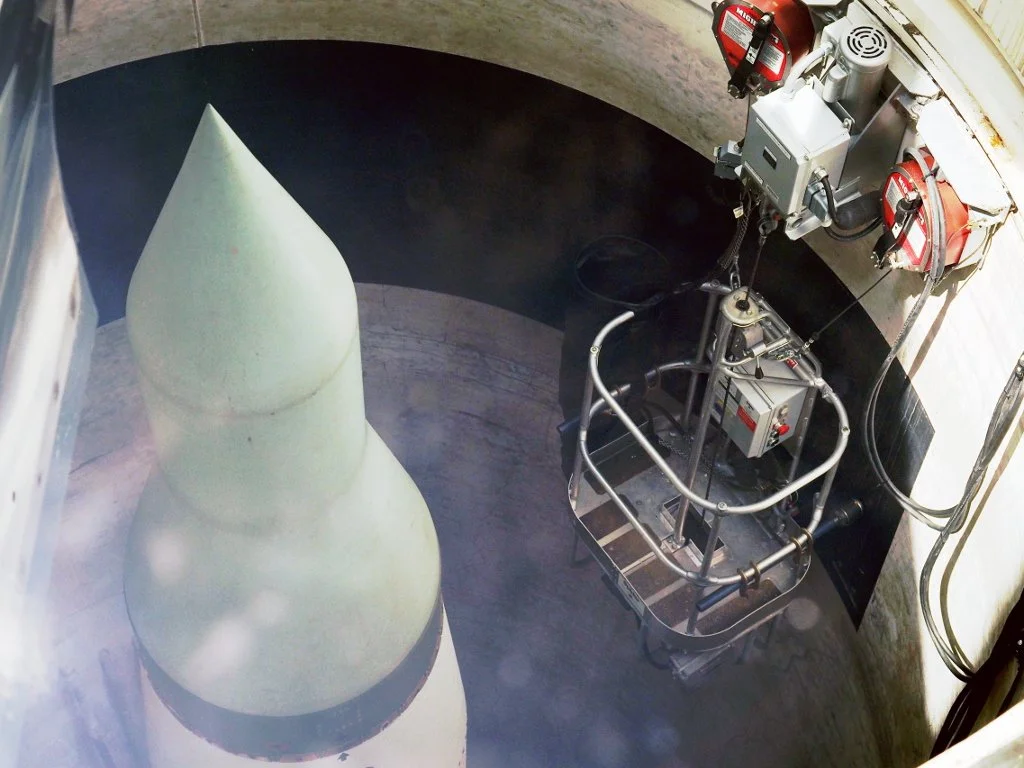
The most dangerous weapon ever devised.
Nothing illustrates the importance of a balanced mindset for managing risk than world events in October of 1962. We North Americans call it the Cuban Missile Crisis. The majority of historians will agree that the 16th to the 28th of October, 1962 were 13 of the most dangerous days in human history as the Soviet Union and the United States teetered terribly close to nuclear war.
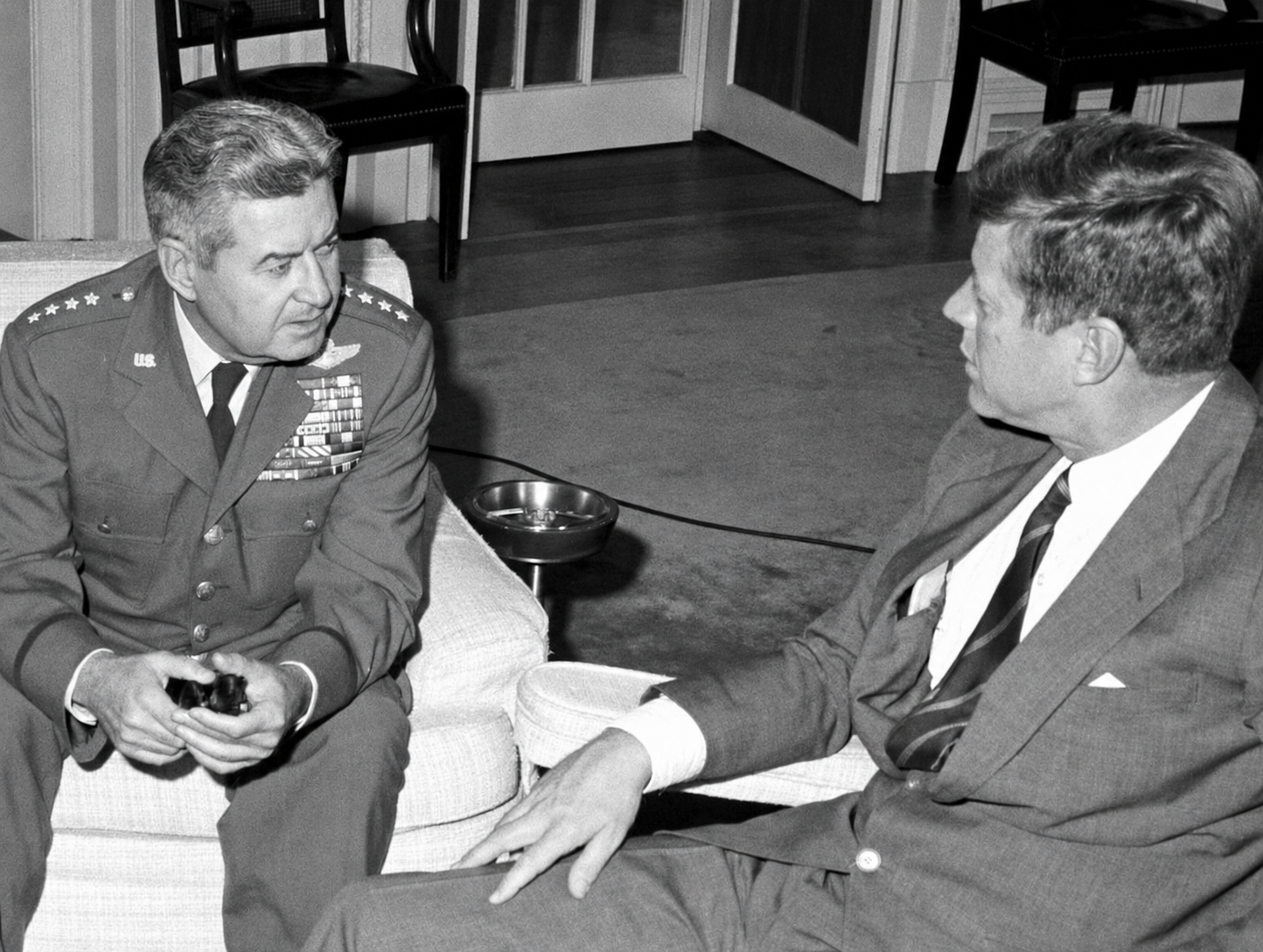
General Curtis LeMay and John F. Kennedy in the Oval Office during the Cuban Missile Crisis. Wildly differing mindsets. LeMay, profoundly overbold, entangled in a narrative, and brimming with hubris. Kennedy navigates with balanced courage, connection and grace under pressure.
Wikimedia Commons.
The Soviet Union had secretly installed medium ballistic missiles in Cuba. These were discovered by a U2 spy plane in early October and the photographs were presented to Kennedy on October 16th. This move by the Soviets was profoundly destabilizing not only to the USA but globally.
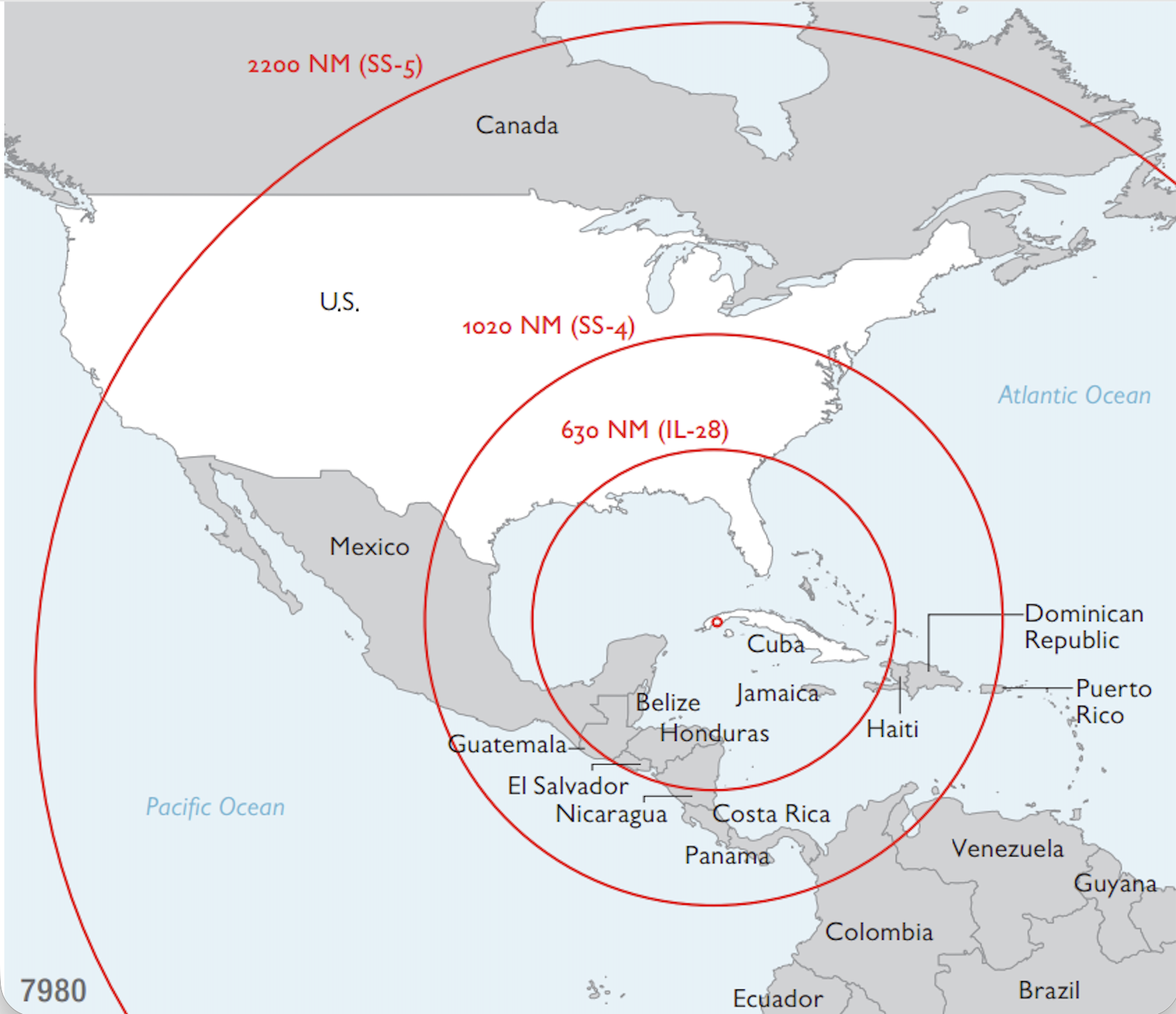
Internally in the USA was also embroiled in a struggle centred around the big question of how to respond to this threat? Diplomacy, or war?
Very few places were psychologically safe for Kennedy. His own military was one of the greatest risks he managed during those dark stress-filled days. They hated him. They thought he was weak. But one must consider that he saved all of our lives by walking the middle path and striking a deal with the Soviet Union instead of going to war.
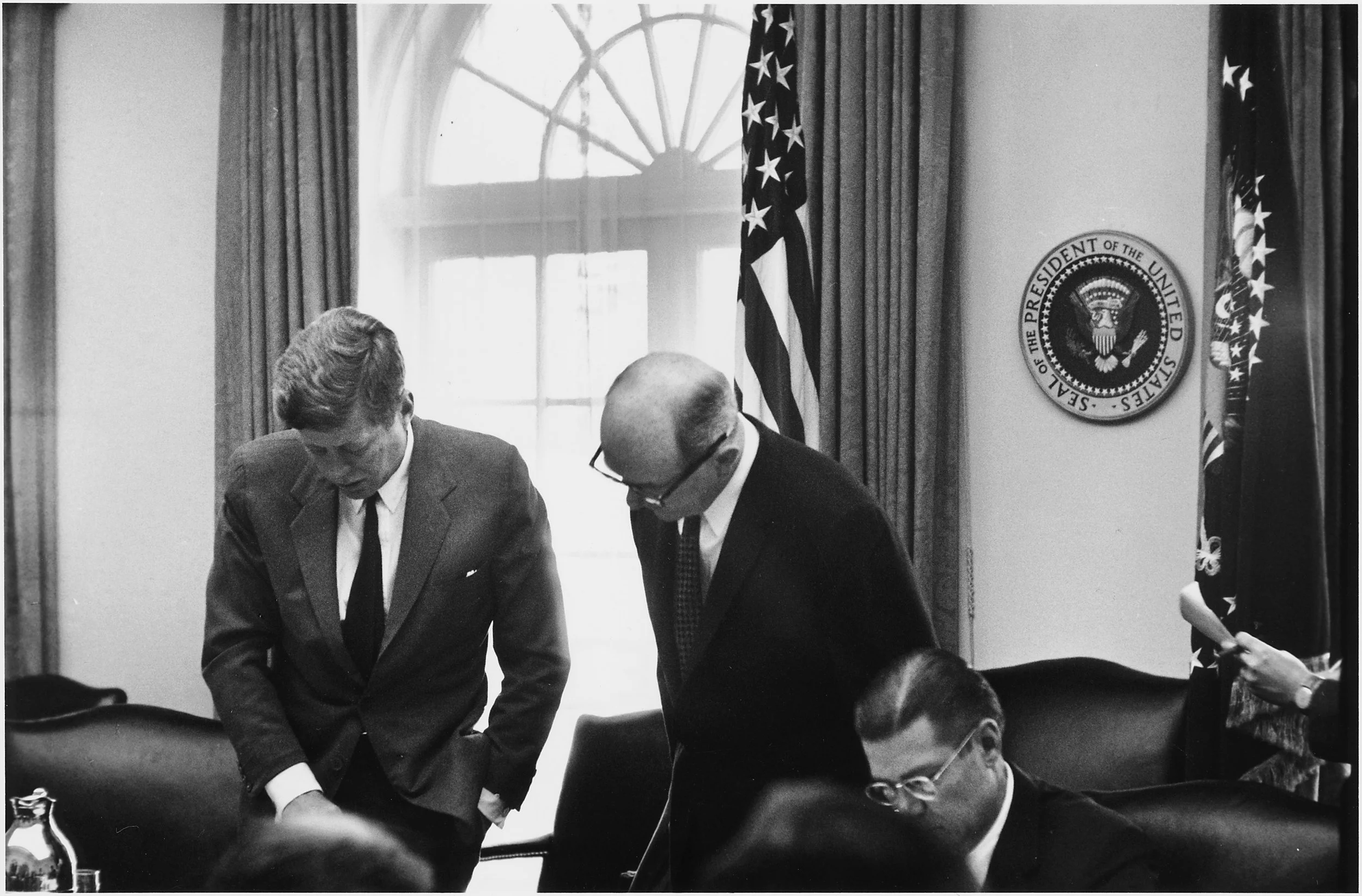
White House strategy meeting.
Two of the main characters that represent this struggle were Curtis LeMay and John F. Kennedy. (Above) LeMay definitely possessed a quiver of mindsets that were either over-extended or limiting, while Kennedy firmly walked the Tempered Middle Path which allowed him to keep all of his options open. Among a litany of criticisms of Kennedy, LeMay believed that Kennedy’s quarantine (blockade) of Cuba from all shipments was, “A pretty weak response.” He went on to tell the President that, “he was in a tight spot” Kennedy replied; “in case you hadn’t noticed, you’re right in here with me.”
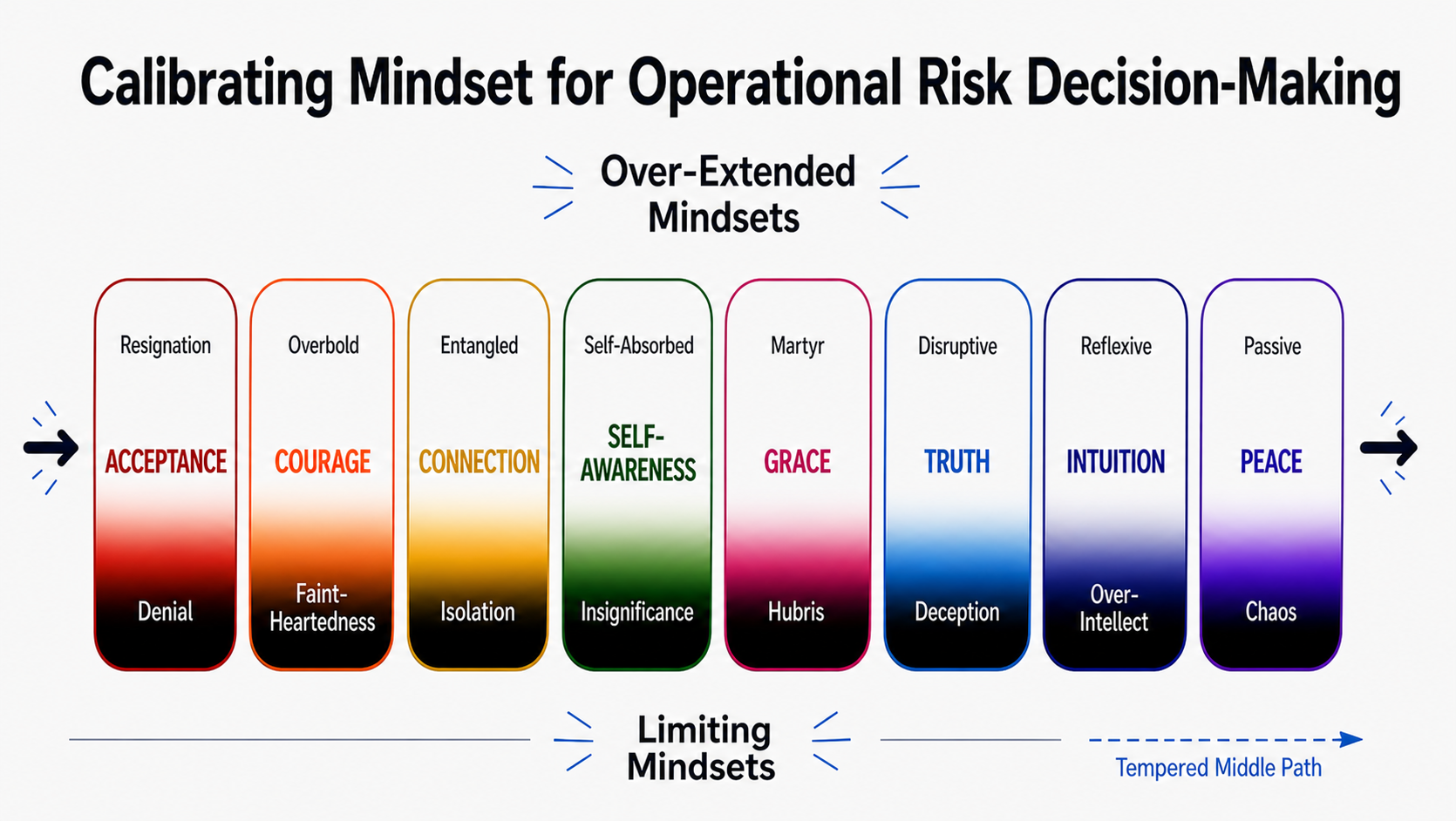
Mindset awareness is profoundly powerful tool for risk decision making.
Yet, as the crisis evolved, JFK and the Kennedy administration consistently maintained balanced operational mindsets :
Connection through strategic empathy,
Self-Awareness through recognition of escalation psychology,
Grace through restraint and face-saving diplomacy,
and ultimately Peace through disciplined non-reaction at the height of danger.
In this way, the calibrating model re-frames the Cuban Missile Crisis as a study in operational mindset management for risk decision making in how leaders prevent systems from drifting into fear, certainty, ego, and escalation during moments of existential risk.
It is important to note, that on October 28th, once the situation was stabilized, LeMay suggested that they attack Cuba.
It is chilling to now look back to understand how vulnerable humanity was. Kennedy’s leadership meant that cooler heads prevailed. However, it is commonly accepted that it is a good thing that the United States had a civilian President. If LeMay were leading the country it is quite likely that planet Earth would have experienced nuclear war. The following two heat maps below are an approximation of the mindsets of the two men based on their actions during those 13 days.
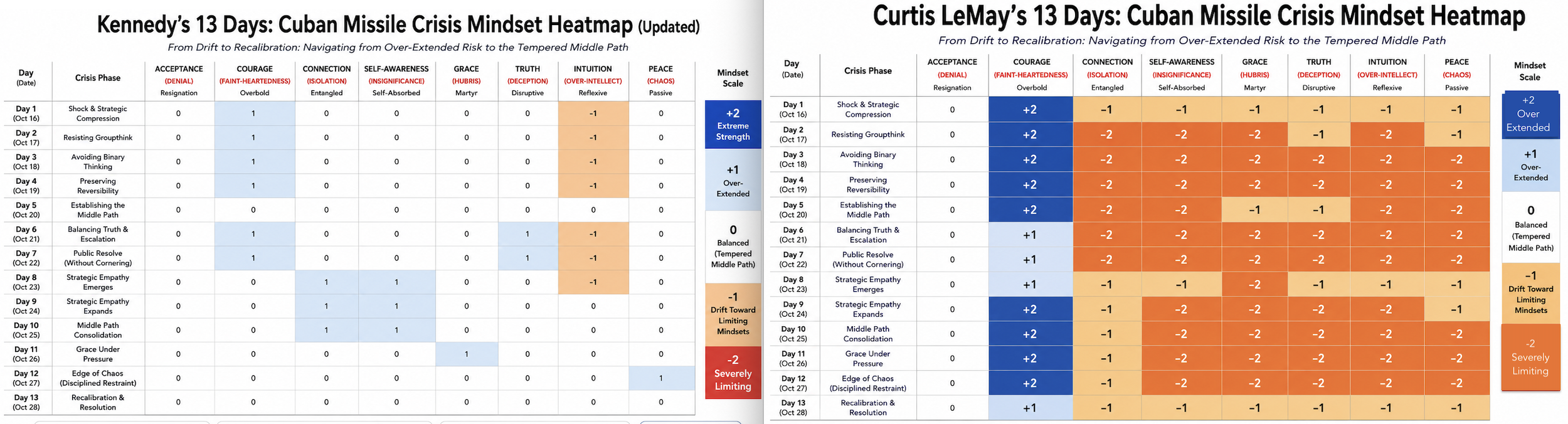
White represents a Balanced mindset. Blue or Orange represent Over Extended or Limiting mindsets.
Stress often challenges us deeply. Managing risk in adverse situations often means that we remain balanced so that we keep our options open. This reflection of a past crisis based on the model for Calibrating Mindset is of great operational utility for managing risk.
In any crisis we may be experiencing it is critical to recognize that the peacemaker and warrior archetypes live within us. All of have a LeMay inside that is limiting or reactive and wishes to dehumanize ourselves or others, and throw our weight around to solve a problem. There is the other part of ourselves that can sit with the discomfort of uncertainty and is willing to listen to our potential enemy so that a middle path can be found or crafted.
There is a reason Kennedy was and is revered around the globe.
If your organization is in crisis, contact me. ken@archetypal.ca