If The Dark Wizard Had A Map (Part 2) Acceptance of Others
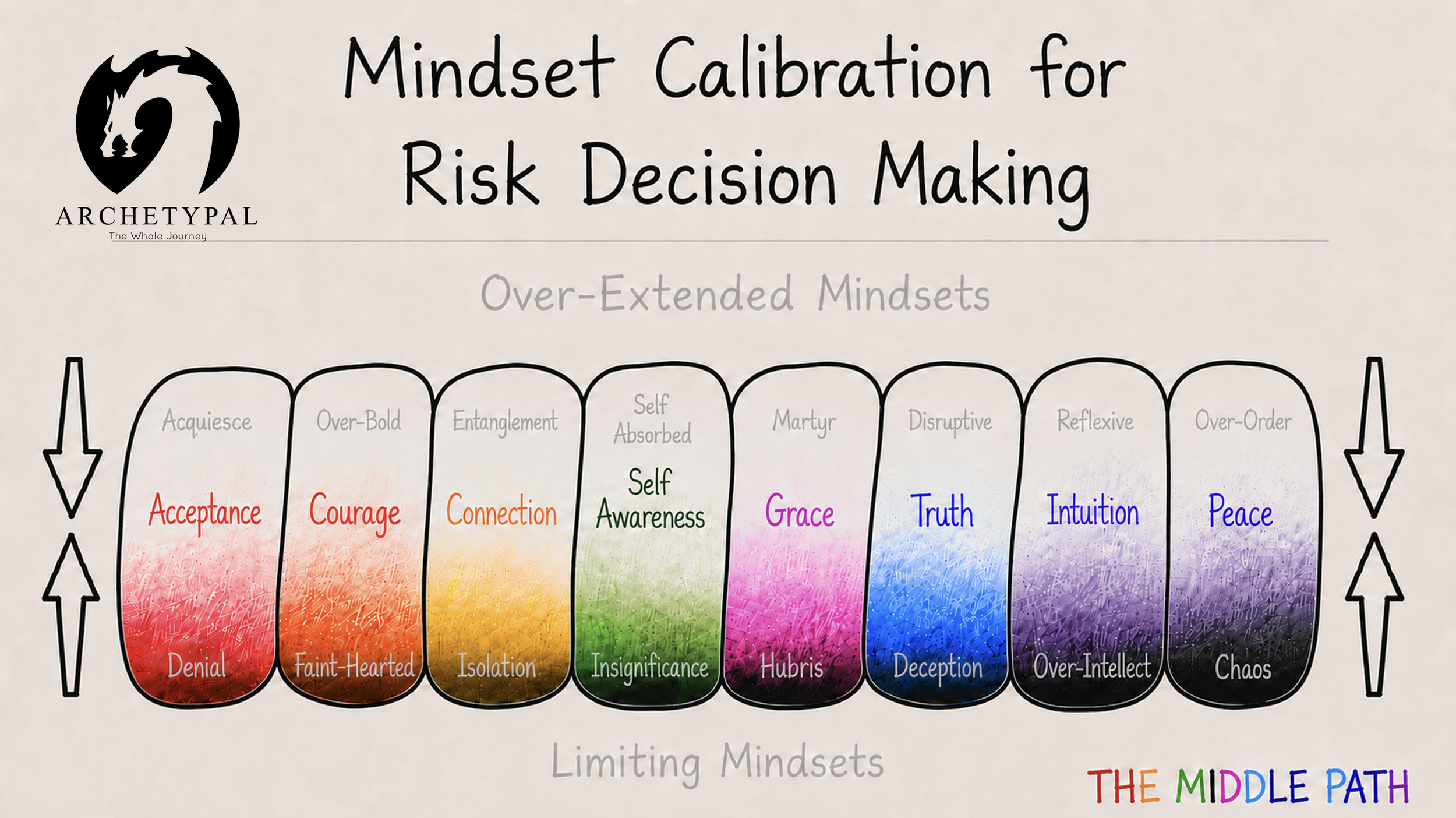
Acceptance of others is a risk management sweet spot that sits between denial of others and acquiescing to them. True acceptance is the ability to follow our truest path without denying the input of others or acquiescing to any social pressure. It is the middle path that finds the highest value insights from others. Here we look at the life of Dean Potter in the HBO series, The Dark Wizard and find insight for ourselves.
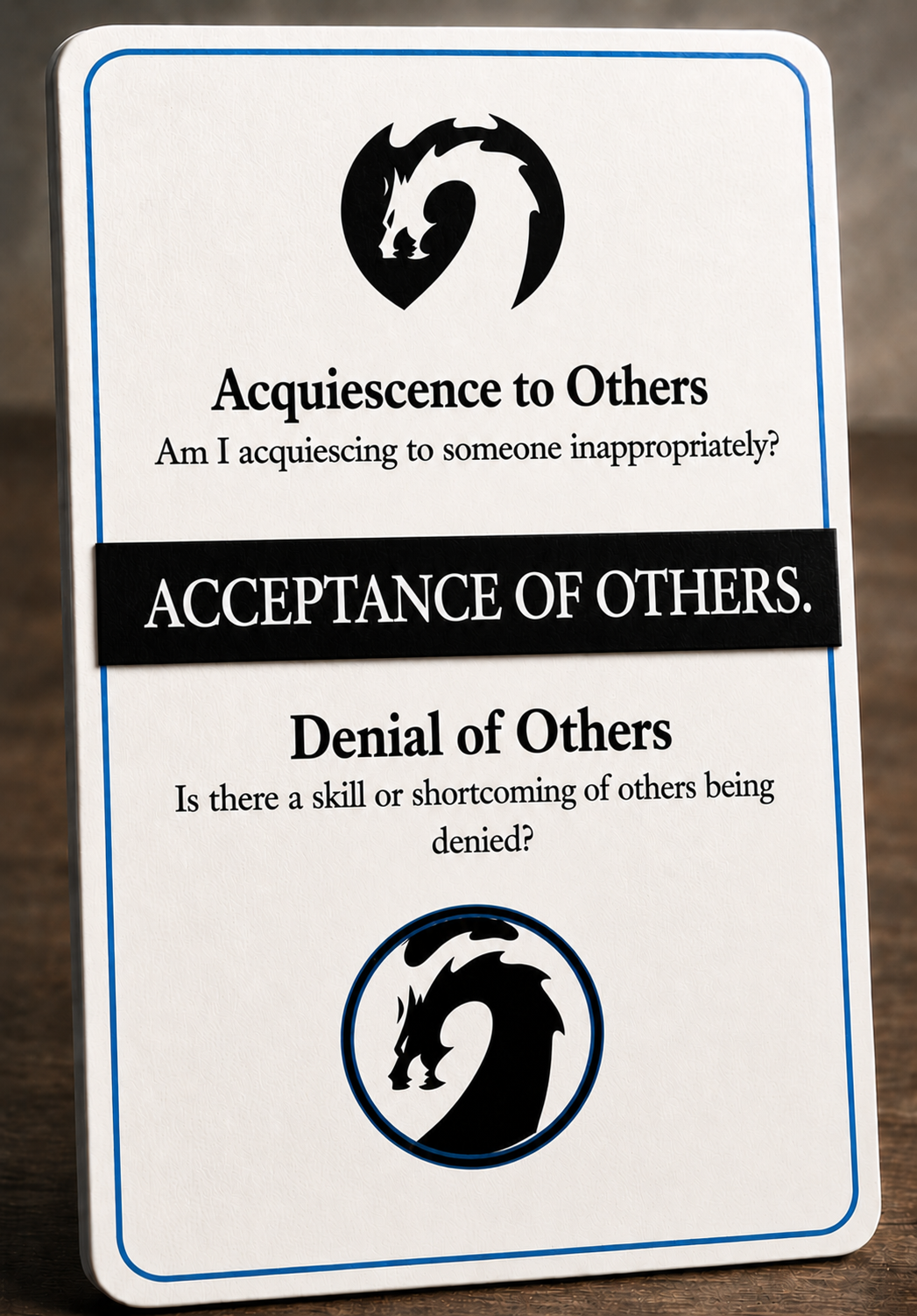
Acquiescence to Others
Dean Potter seems like he is a person least likely to acquiesce to others. He is defiant and easily denies others. He seems to wish to listen to no one. Yet there is part of him that acquiesces and it is important for us to be able to see this in him, so that we can see it in ourselves.
Acquiescence to the Dean Potter Mythology.
There is an “other” fabricated version of himself, to which Dean Potter is a slave. That is the persona that the media coverage of his exploits created. This version of Dean is not real, yet he makes it real in his own head. This is profoundly dangerous and as a viewer of this documentary we get to see him bow to this myth a great deal and get himself into a lot of trouble.
Acquiescence to his Audience
Even though he seems to outwardly reject fame, he feeds it through his constant documentation, and most importantly the spectacle contracts he agrees to. He completely abandons himself on numerous occasions and most importantly in China. Completely fragmenting himself through acquiescence.
Acquiescence to his Competitors.
Dean increasingly submits to the hazards of competition, First, it is competition with Alex Honnold who usurps his projects where Dean takes the bait. His response is to push himself harder and into more difficult and dangerous situations. Honnold is isolated and demonized by Potter which makes the competition profoundly overt and easy to identify. Graham Hunt, however, was a friend that Dean chose to compete with. This made the competition more subversive and harder to identify, yet in the end, might have led to his demise.
Denial Of Others
Denial of Others
Dean denies the wisdom of his friends mainly because he sees himself as a visionary that others do not understand. While the vision piece may be true, when it is applied without reigns, he becomes a hazard to himself. His peers offer a balancing effect which he often denies.
Denial of Institutional Wisdom
Dean defies the National Parks, sponsors, and collective wisdom of the climbing community. This denial often puts him at odds with others, which divides and fragments his attention. Out of alignment, he struggles to keep his focus when he needs it.
Denial of Relational Needs
Dean seemingly starts to believe that he does not need people in his life. He sees them as limiting him, when in fact they are all supporting him and his vision. They love him as an inspiration. Yet his denial, isolates him from others leaving him feeling empty inside, and then filling that void with more extreme exploits. He becomes “unteathered.”
How many of us struggle with these issues in perhaps smaller ways? Dean’s journey is amplified because he is famous. But in his actions we can sometimes see ourselves. This is the great utility of this series.
The path of Acceptance can help us to:
Listen to others.
Remain visionary while still listening to the input of others.
Let our relationships moderate potentially destructive ambition.
I wonder what would have happened if The Dark Wizard had had this map?
Next week we will look at the balances of Courage