
Listening, The Underrated Superpower
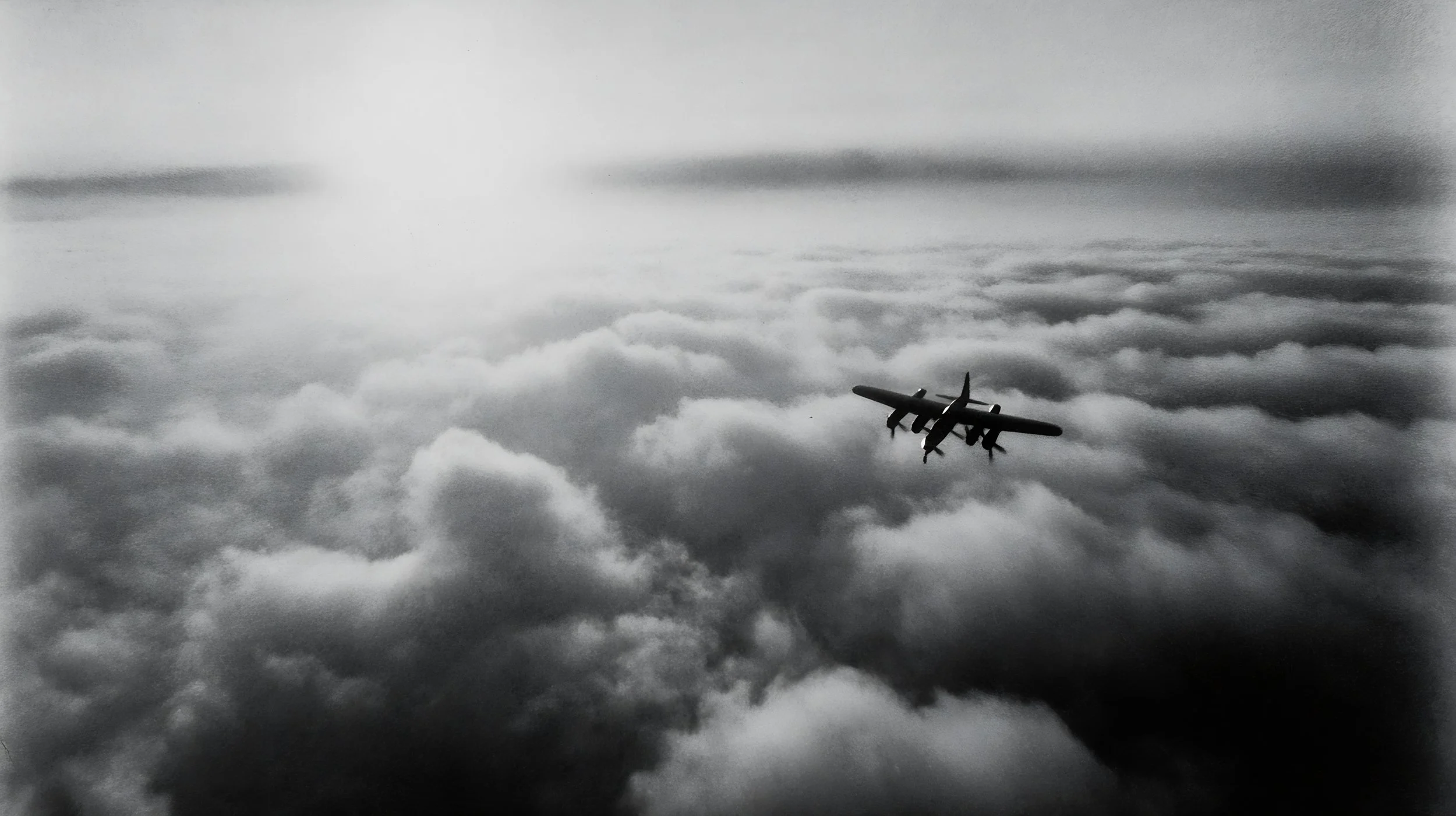
Radar. . . the amplification of a receptive human quality. What saved Britain during WWII was the ability to hear the Nazi aircraft coming.
The first thing I look for when reviewing a situation with a tragic outcome is, were the people involved listening? Invariable what I find is a distinct lack of the practice before disaster strikes. Managers at NASA failing to listen to the contractor engineers before launching Challenger. The Captain of the Titanic failing to hear and heed the numerous ice warnings. Or the neglect of Soviet scientists to receive and integrate articulated problems with the Chernobyl reactor long before the explosion and meltdown. Listening is a receptive human quality that provides needed and valuable information for any decision making process. Yet, the act requires humility because we have to admit that we do not know something AND be really interested in finding out.
Listening helps. Britain unbelievably won the air war with Nazi Germany during WWII because they amplified their ability to listen. The air defense system was far behind what it needed to be in the mid 1930’s. Robert Watson-Watt led the development of the British radio direction finding and radar technology. It turns out that his system was so simple that that it was overlooked by the Nazis who were searching for something more complex, which they did not find. The system allowed the Royal Air-Force (RAF) to scramble their much fewer fighters from the right air bases and gain advantageous elevation in order to effectively intercept German air attacks. Listening provided critical response time.
Hermann Göring the supreme commander of the German Air Force seemed to have a hard time believing that such a system would be important. He had much larger numbers of aircraft and he believed that this was the key. The critical lesson here is that if we do not believe we need to listen we will not be able to imagine it’s importance.
The receptivity of listening has utility for all of our life choices. But what do we listen to? It starts with listening to ourselves and our conscience, then open that up to others, and then finally listen to the situation and the environment. If we take the time and allow the needed silence, we will hear what is needed to guide us. In the most impossible perilous situations the call is to turn on our receptive qualities. This is how we can manage the impossible.
If the people around you are not listening, change the people you hang out with. If you are not listening, rest assured that someone sometime will turn up the volume. Even then it is up to you to hear.