
Three Invisible Addictions that Undermine Safety

The invisible addiction requires a heroic effort to detect
Some addictions are very visible, others, not so much. The invisible ones require a heroic effort to detect.
It is clear to nearly all of us that a person’s substance addiction unravels every thread of their lives. The addiction is couched in a bed of denial that ultimately can lead to rendering oneself, one’s relationships and one’s career worthless to the addict in relation to the desire and physical need for the substance. Substance use addictions are so rampant in our western society that this archetype is very visible to us in our mind’s eye. We can picture the addict hunched over in the street and or curled up on the sidewalk.
With this picture of the addict archetype in our heads it is hard to imagine that we might have an addiction or two that might undermine safety in whatever High Potential Consequence arena we may operate in. The addict archetype is habituated to all manner of things and some of the addictions are not all that visible. “Denial” is the hallmark of this archetype. So, if I am showing up as an addict in the workplace what might I be denying?

We all have addictions. Becoming aware of them is the key.
Denial of Self. I may have a version of myself that I am addicted to avoiding. Fostering an identity as a bad boy or girl who has little interest in following best practice is a clear denial of my potential to exercise my best. Of course, there is a body chemistry associated with this behaviour. The rush of being the contrarian can result in an addiction to the resulting chemistry in my body. I also know that the opposite can also be true. Denying aspects of myself that challenge authority can also lead to disaster. Going along with a bad plan so I don’t make waves is not always in my best interest and I have had an unconscious pattern of doing this that I struggle with being aware of and or stopping. I know I do this, but I can quit anytime.

Addicted to an Identity
Denial of Others. I might be so addicted to having to be right that I deny the participation of other people on our team and listening to their ideas. Underpinning this is a deep insecurity that I can be so addicted to feeling and embodying that I fail to recognize the difficulties that it is creating for me and the team. The hazard of course is a desperate loss of perspective. Key insights come from all kinds of places and if I am addicted to my perspective being the only valuable one, I will miss the key insights that come from anyone else.
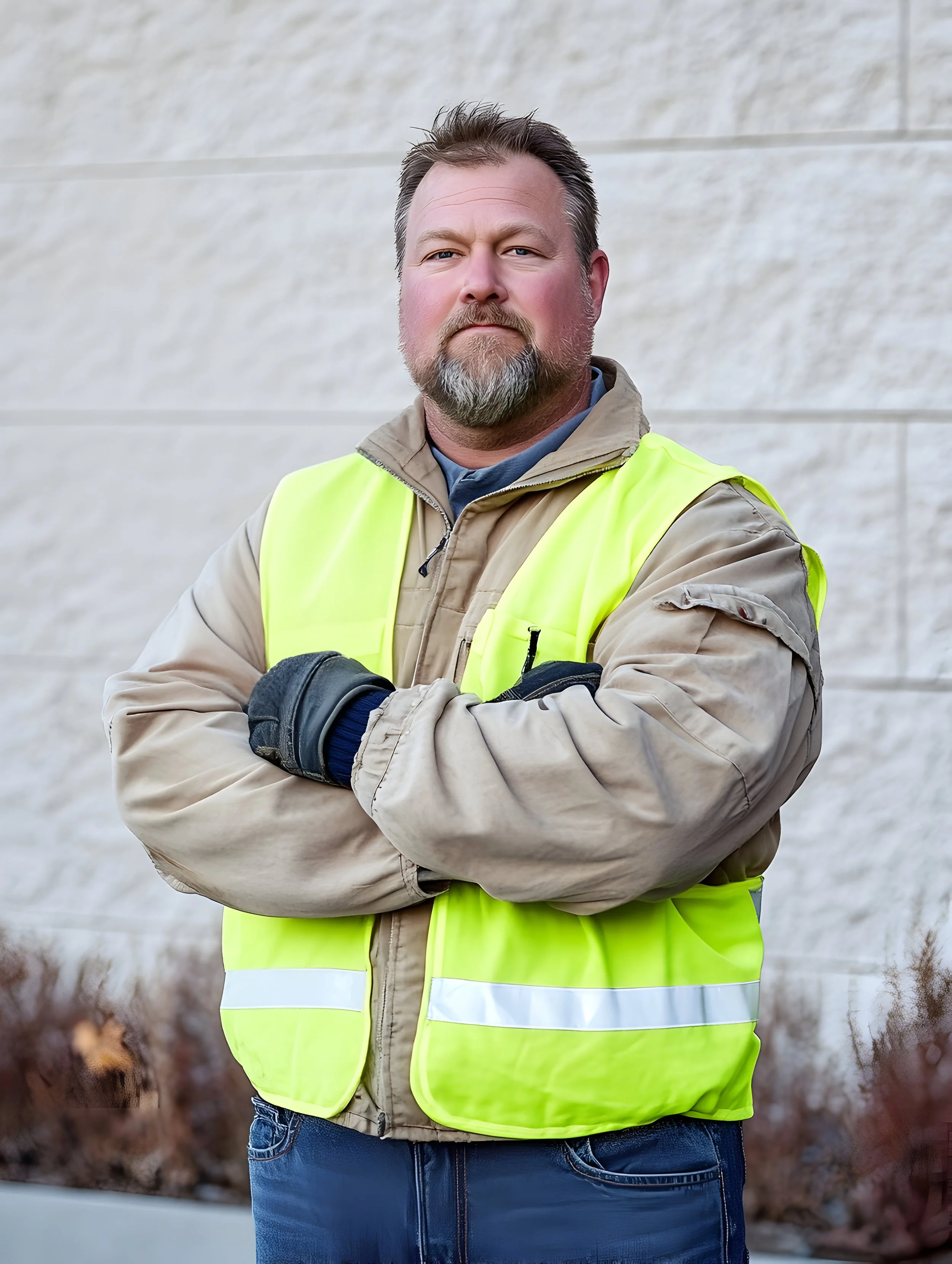
Addicted to having to be right
Denial of Events. One of the hallmarks of safety is to be able to own my mistakes so that I can learn from them. This requires that I allow myself to be open and vulnerable to the fact that I am not perfect. However, there are times when I am so addicted to the idea of being perfect that I can’t allow myself to hear or acknowledge a set of events that depict a flaw in my character or performance. This can happen with me, my team, my culture and even my society. The addiction to the notion of perfection comes with profound blind spots. It is a given that I am are smart enough to say that I am not perfect, but I am incredibly short on specifics when asked.

Addicted to the illusion of perfection
There are many more addictive behaviours that undermine safety. What are your observations of yourself, your team, or your culture? Remember, denial is the first symptom.
For more cutting edge safety depth work visit Archetypal.ca Press the Learn More button.

Addicted to being a lone wolf.