
Archetypes of Disaster and Safety

The Addict and the Alchemist
Under License: Wikimedia Commons
When our least favourable qualities are running a situation, should we be making life and death decisions?
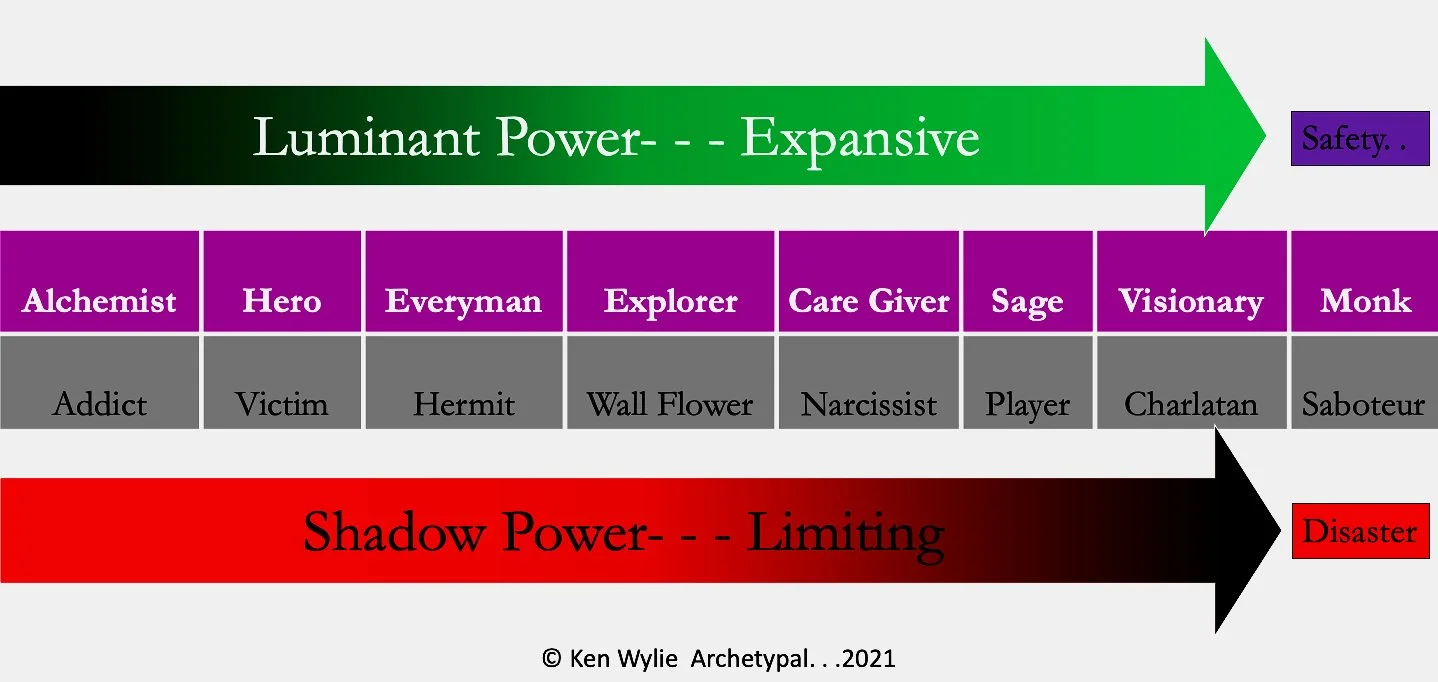
A collection of shadow archetypes can be dangerous indeed.
We all have a choice about how we show up to situations. But what does that mean? Carl Jung’s idea of Archetypes provide a picture. Archetypes are a mental image we have of a character with certain qualities and associated behaviors fully formed. The use of Archetypes can be a window to the hazards within all of us. Armed with this awareness, we can make progress in elevating our response to situations, especially adverse ones in high risk situations.
Addict / Alchemist
The Addict archetype is habituated to all manner of things. “Denial” is the hallmark of this archetype. The archetype denies the stark realities of the risk in a situation for themselves and others. They are addicted to the power they wield in fabricating a narrative. This narrative can contain their demise.
The opportunity is to break the addictive cycle of impulse-generated decisions and engineer values-based responses that are grounded in facts. This is the first step in becoming an Alchemist. The Alchemist archetype uses “acceptance” as a tool to navigate the challenges of a situation. This allows them to respond to things as they are so accurate solutions to problems may be moulded. This also means they are willing to transmute pain by traversing through it rather than avoiding it. This is the alchemical journey of transformation.
Narcissist / Caregiver
The Narcissist archetype can be particularly dangerous in hazardous situations. The narcissist is only interested in their perspective and agendas. This archetype finds it challenging to practice empathy or care about others. The social and moral consequences of their actions elude their awareness or attention. Captured by “hubris” they can only entertain being right and bristle when corrected or when hearing the ideas of others.
The Caregiver archetype by contrast, is infused with “grace.” This archetype has a great deal of energy to nurture, listen, empower and steward others into being their best. The Caregiver wants to find the best solution to a problem, and it does not matter at all where ideas come from. They celebrate others and the process of discovering a remedy together.
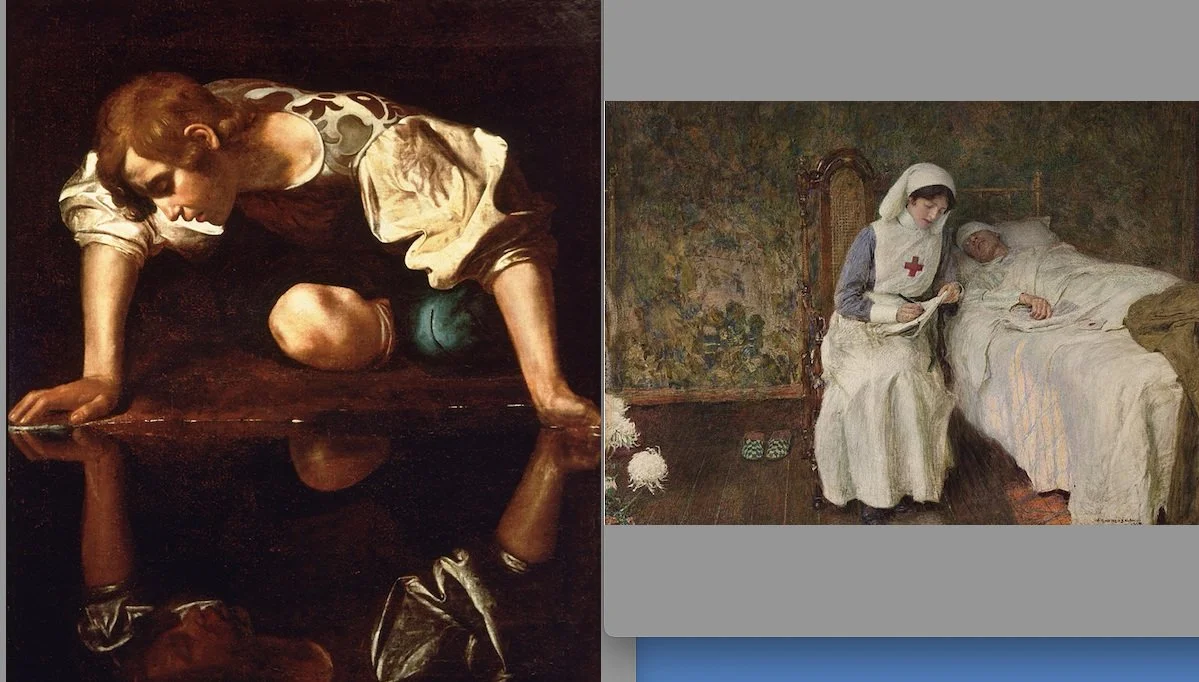
The Narcissist and the Caregiver.
Images Under License: Wikimedia Commons
Player / Sage
The Player archetype embodies “deception” and is focused on the outcome while the means by which their goal is achieved is not considered important. Truth is not the driver that underpins the actions of this archetype. A great deal of their energy goes into the crafting of illusions and appearances. There is a lack of understanding that the truth about ourselves, others, the equipment and the environment is needed to manage risk.
The Sage archetype works in pursuit of the “truth.” They understand that the truth is always bigger and often requires an inclusive (rather than an exclusive) process. They seek the truth about themselves, others, the situation and the equipment even if it is uncomfortable, so they can make effective and nuanced decisions.
Saboteur / Monk
The Saboteur archetype is all about creating “chaos.” They have no problem cutting corners with regards to safety in order to save time, effort and money in small ways at first, then progressively in larger and larger ways. They thrive on inner conflict (chaos) in their decision-making processes, fully knowing that they are not doing the best for the situation or the people involved, but they cut corners anyway. The Monk archetype by contrast strives for inner “peace”; they effort to do things right by word and deed from the beginning. The monk brings peace to situations by finding harmonious solutions to problems and challenges mainly through exercising patience for the right solution to emerge.
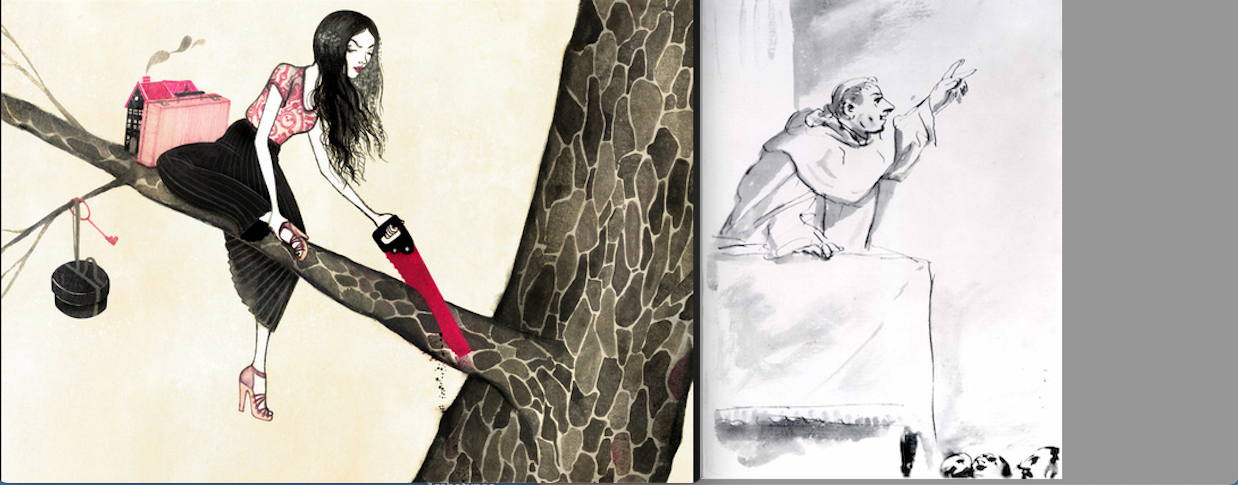
Saboteur and Monk
Photos under license: Wikimedia Commons